
Introduction
African Long-term Inequality Trends, AFLIT, is a research network dedicated to constructing social tables for the advancement in mapping, estimating and analysing historical economic inequality trends in the sub-Sahara African region. Today Africa contains the largest between country variations in income inequality in the world, a spectrum that includes Southern Africa where we find extremely high levels. Currently, however, we lack both the empirical evidence and the theoretical understanding to explain the development and diversity of the different pathways. Researchers in AFLIT are committed to filling this empirical and theoretical gap. For more information click here.
Network Aims
The overall aim of AFLIT is to provide a platform for collaborations between researchers interested in constructing social tables for the study of long-term inequality trends in Africa. More concretely, this entails:
- Organize workshops and similar events where researchers can discuss and develop comparable empirical studies of long-term inequality trends.
- Attract funding and expand our international networks to encourage the construction of a growing number of inequality studies for African economies, particularly for the colonial era. The case studies will be made publicly available in a database.
- Disseminate our research to the academic community and other stakeholders such as policy makers and the public through presentations at conferences and public events, publications of academic and non-academic texts, and social media.
News
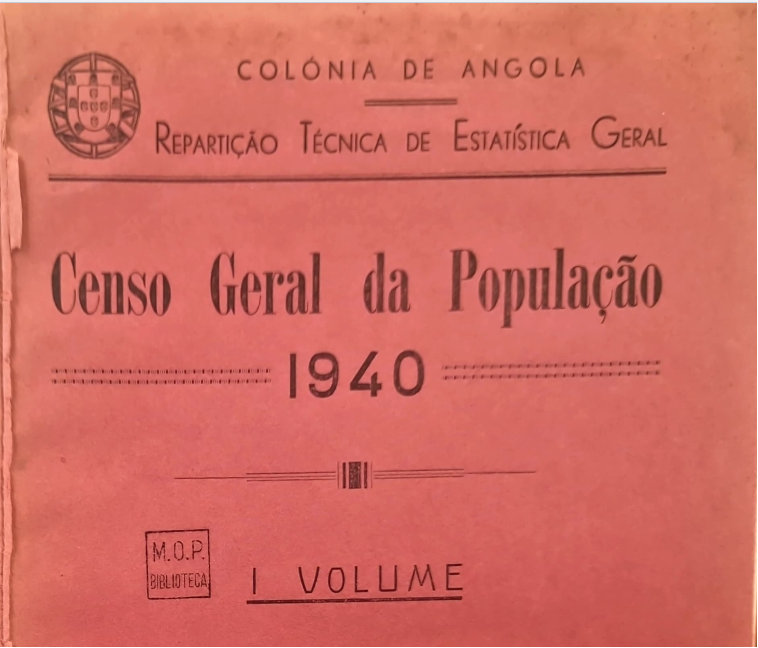
Using Portuguese Sources to Build an Angolan Social Table
Blog June 5, 2026
Angola is the first Portuguese colonial case prepared for AFLIT’s social-table series, introducing a Lusophone settler economy into a comparison that previously focused on British and French Africa (Aboagye & Bolt, 2021; Alfani & Tadei, 2019; Bigsten, 1986; Bolt & Hillbom, 2016; De Haas, 2022; Hillbom et al. 2024). The effort raises questions about which […]
Enterprising Africans: The expanding economy and institutional barriers in colonial Kenya
Articles June 5, 2026
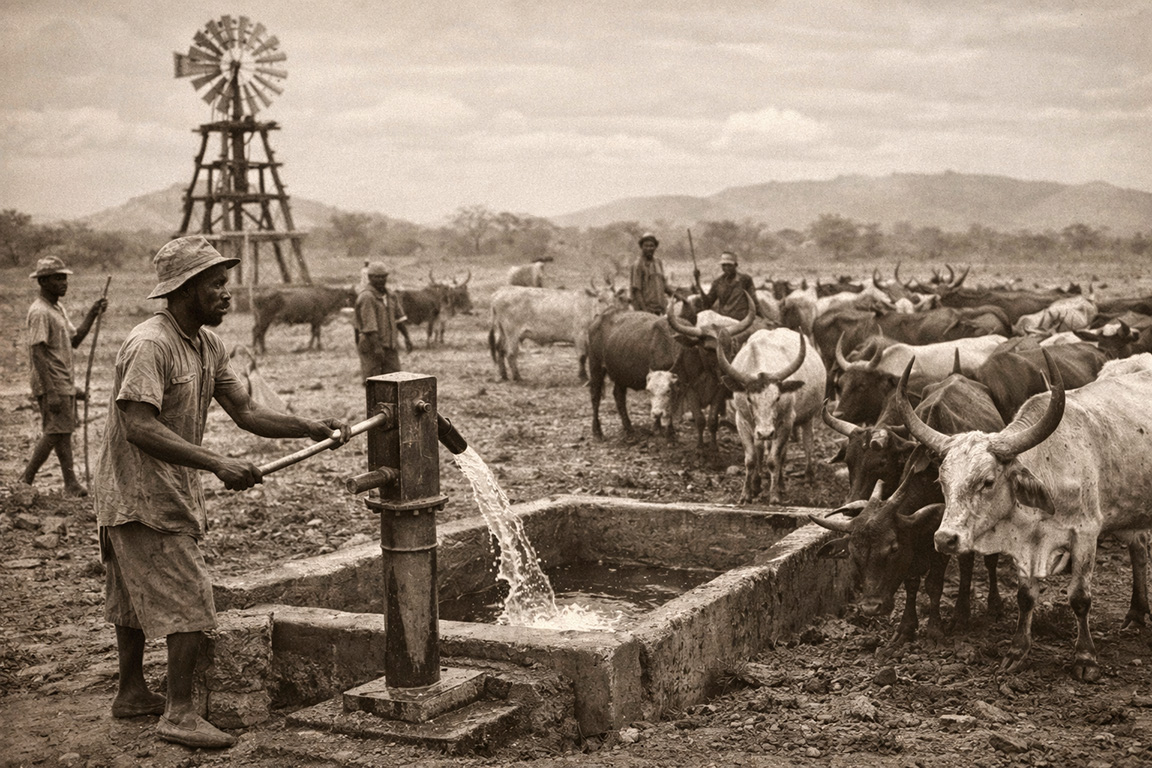
Rural Capitalists and the Uneven Paths of Development in Colonial Africa
Blog May 8, 2026
Short Summary Who benefited from agricultural commercialization in colonial Africa? Using social tables for three African economies, we identify a small group of rural capitalists who captured disproportionate gains. We demonstrate how their strategies of accumulation varied across contexts and shaped divergent and often unequal development trajectories. Commercialization and the Rise of Rural Capitalists A […]